Denver Audubon Nature Preschool Wish List
Denver Audubon Nature Preschool
The "So Kind" Registry is a wishlist with a twist: every item on it can be donated used, found secondhand, or gifted from something you already own. If you see something on the list at Goodwill, a garage sale, or in your own basement — and it's in decent shape — we'd love it.
This site compiles our list but doesn't sell anything. When you've found something you'd like to give, click "Give this gift" to claim it in your name — that way we won't end up with duplicates.
Donations can be dropped off at the Denver Audubon Kingery Nature Center (11280 Waterton Rd, Littleton, CO 80125) with Gracie on Tuesdays-Fridays between 9:00-noon.
Thank you!

If you have a beloved picture book about birds, bugs, seasons, rivers, trees, animals, or the outdoors that's ready for a new home — we'd love it. Gently used is perfect. Please write a short note on the inside dedicating the book to the preschool and sign your name (or your child's!) so we know who to thank.

We spend every day outside, rain or shine, so we can always use more layers for kids who need a change of clothes. We're looking for: raincoats, rain boots, snow coats, mittens, gloves, hats, and base layer tops and bottoms (long underwear). Socks welcome too! Good condition secondhand is perfect.

A puppet show is never far away when the right puppet shows up. We're especially hoping for hand puppets representing species you might actually encounter at Chatfield State Park and along the Front Range — think great horned owls, red foxes, cottontail rabbits, painted turtles, magpies, prairie dogs, deer, herons, and similar. Folkmanis is a beloved brand and frequently turns up at thrift stores and on resale apps — worth keeping an eye out! Any well-made, clean, gently used puppet is welcome.

Whisks, small pots, cups, bowls, spoons, measuring cups/spoons, funnels, sifters — the kind of thing you might find in a thrift store kitchen section. We use these for "mud kitchen" and water play along the South Platte, so durable and stainless steel is ideal. No plastic, please, and the rougher the better — these are going to get loved hard outdoors.
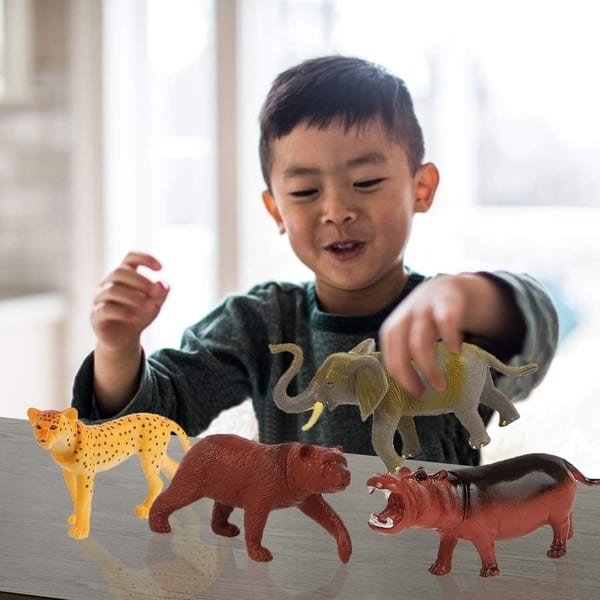
Figurines, farm animals, dinosaurs, sea creatures — the bigger the better. We use these for imaginative play, sorting, and nature-based storytelling. Thrift stores almost always have a bin of these; grab a handful if they look good!
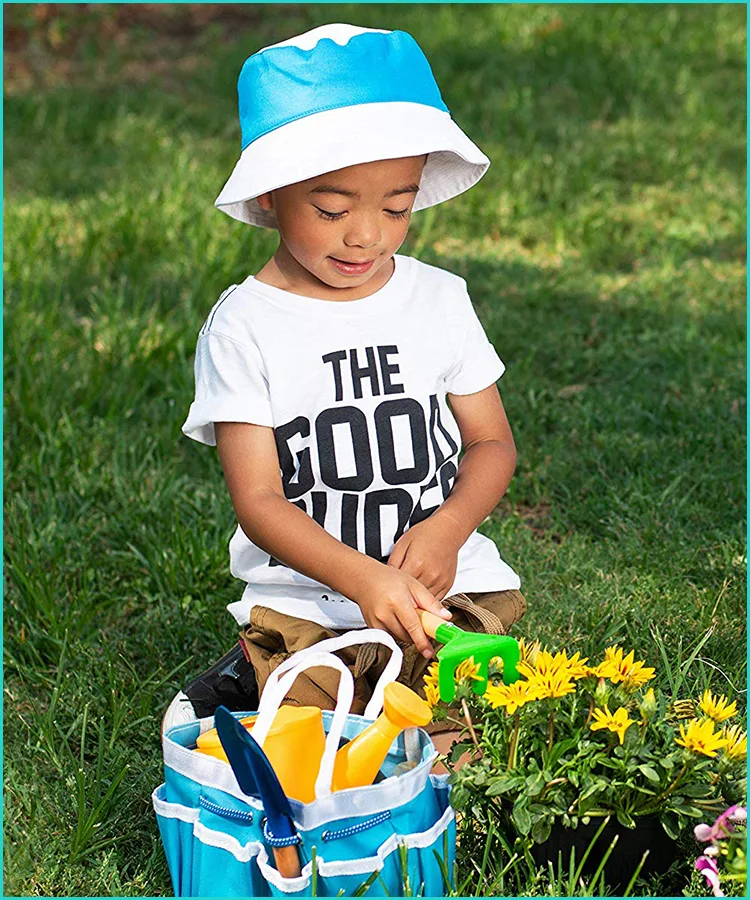
Child-sized spades, rakes, and watering cans, plus gardening gloves in small sizes. We're not precious about condition — these are going in the dirt.
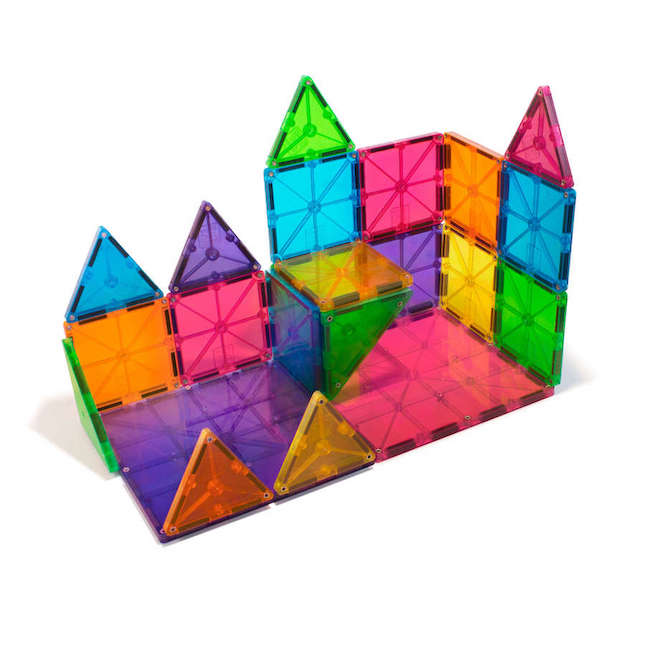
Magna-Tiles are colorful, magnetic building tiles that click together to form 2D and 3D structures. Kids use them to build everything from simple houses to elaborate towers and geometric shapes — they're open-ended, satisfying to snap together, and popular with a wide age range. They're a preschool classroom staple and hold up well secondhand. Two "sets" would be wonderful.
Example of what Magna-Tiles look like. Could be found at garage sales, thrift shops, etc.
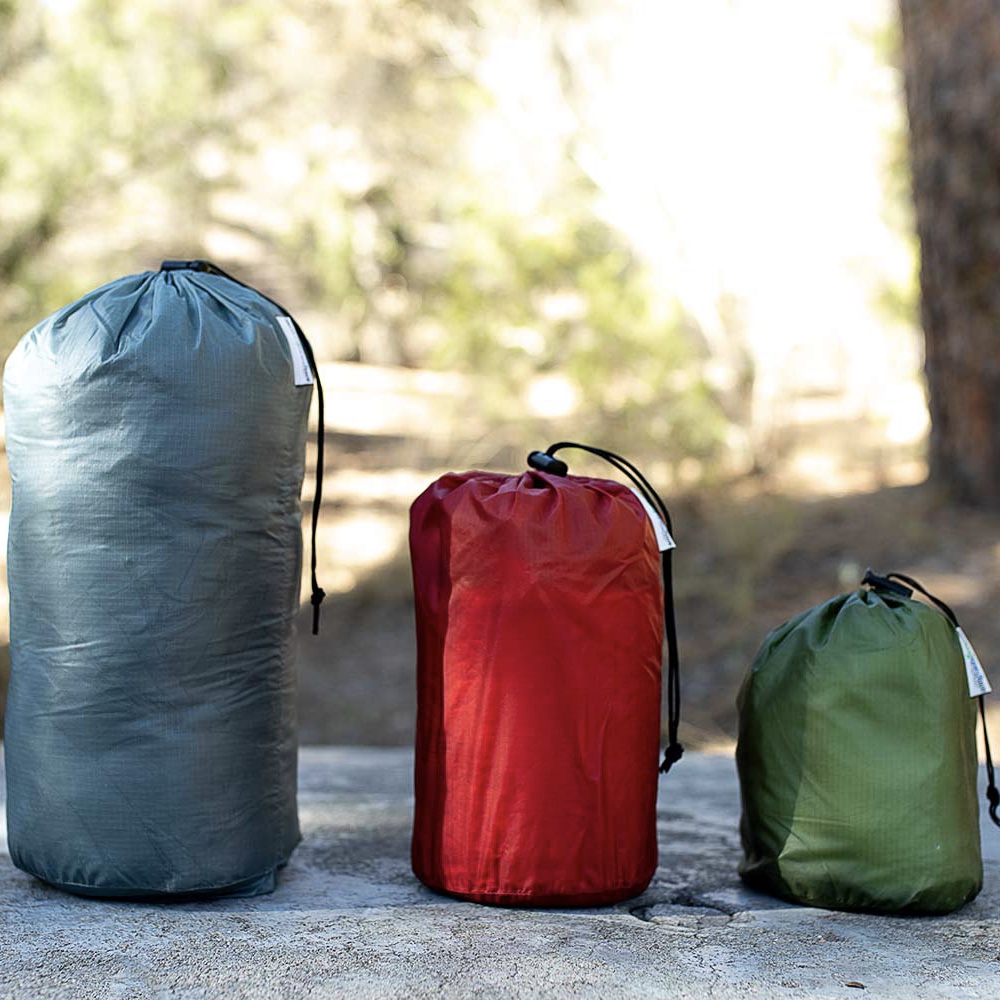
Great for organizing gear, storing wet clothes, or keeping things dry on river days. Any size, any color. Garage sales and outdoor gear closets are goldmines for these.

The laminated, pocket-sized folding guides you find at nature centers and park visitor stations — birds, bugs, mammals, reptiles, plants, trees, rocks, and beyond. Colorado-specific is especially useful.

Simple fabric slings sized for carrying a baby doll — think a long strip of woven fabric with a ring or knot closure. A sewing project for someone crafty! We love this pattern as a reference: https://www.hipababy.com.au/blog/doll-slings-and-pouch-pattern#/
Any sturdy, soft fabric works.

Sections of branch or trunk, sanded smooth and free of bark, in various sizes. A woodworker's offcut pile is a great source. These are open-ended loose parts for building, balancing, and imaginative play — no finish or treatment needed, just smooth and splinter-free. Secondhand or handmade are wonderful! We'd love around 50 pieces total — any contribution welcome.
Clear acrylic geometric shapes that catch and scatter light. Kids use these for color exploration, loose parts play, and light table work. Often found in teacher supply stores or online — gently used is great.

A collection of interesting shells in various shapes and sizes — for sorting, counting, sensory play, and nature tables. Beach vacation leftovers are perfect. We'd love around 50 pieces total — any contribution welcome.
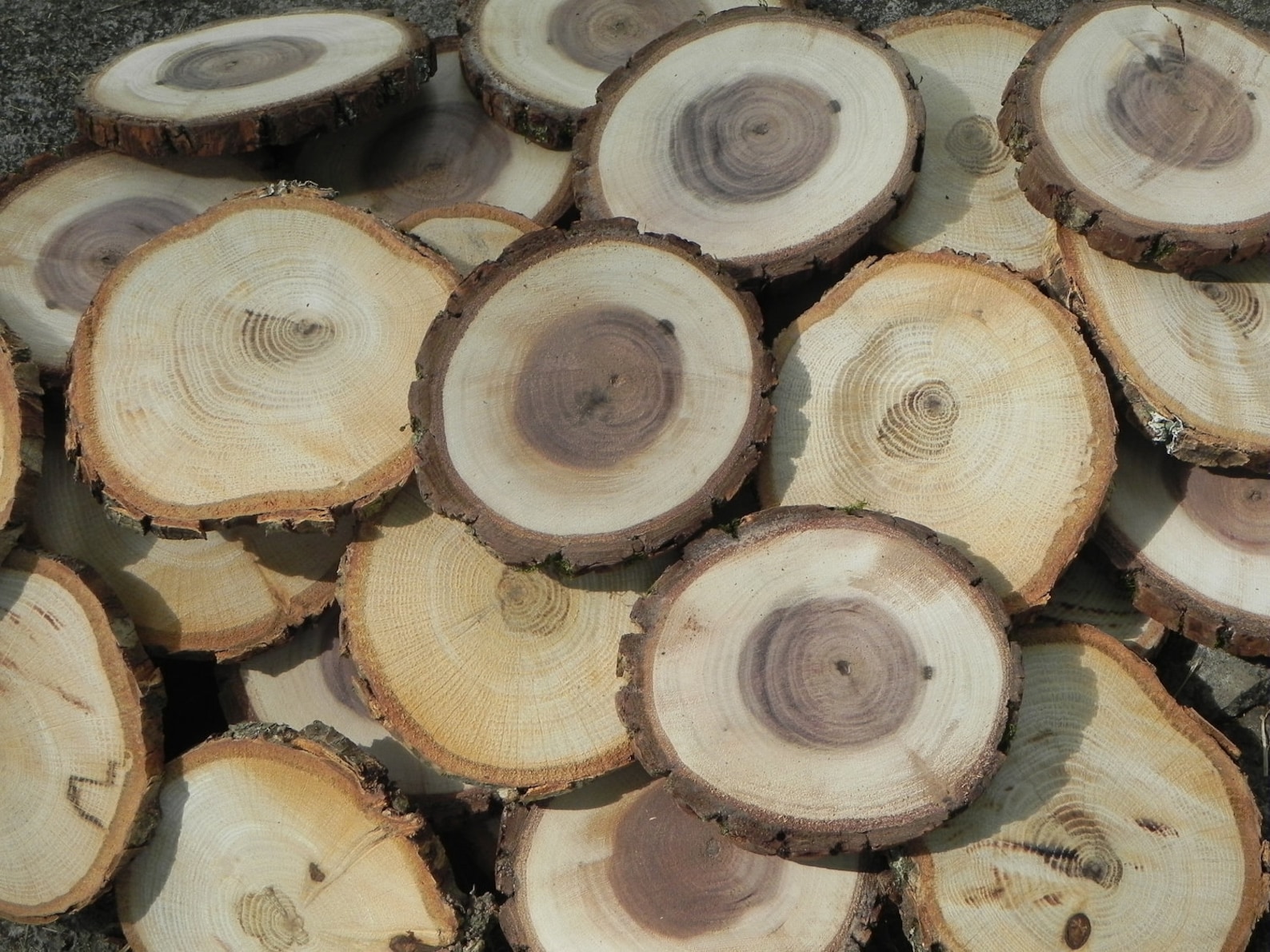
Cross-sections of branches or small logs, sanded smooth, in a range of diameters. Lovely for loose parts play, nature tables, and as bases for small world building. A woodworker or someone with a saw and sander can make these easily. We'd love around 50 pieces total — any contribution welcome.
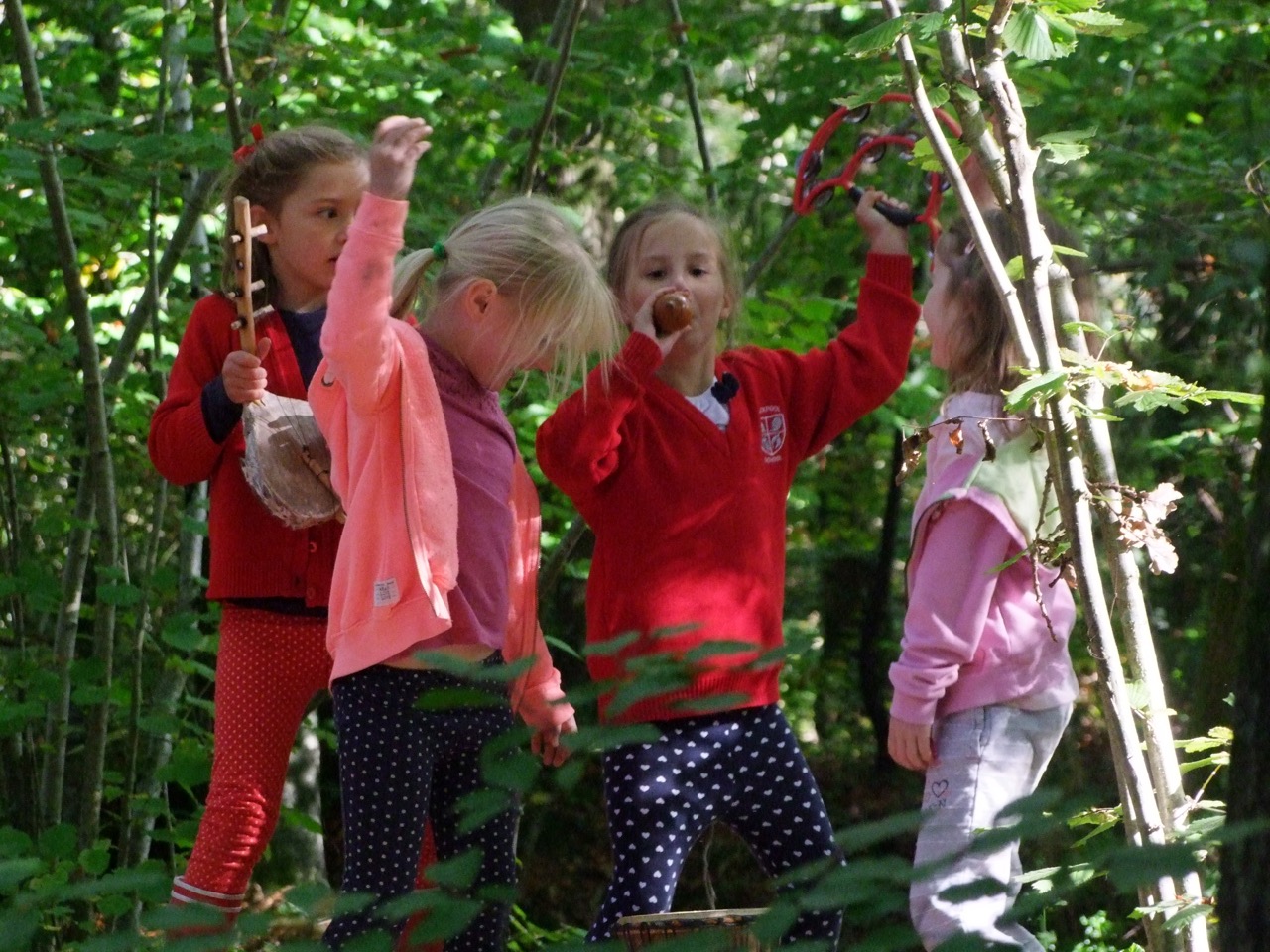
Wooden Frog Instruments
A carved wooden frog with ridged back, played by scraping with a mallet — makes a satisfying ribbit-like sound. A classic rhythm instrument for group music-making.
Egg Shakers
Simple plastic or wooden egg-shaped shakers — a music circle staple.
Rain Stick
A long tube instrument filled with seeds or beads that mimics the sound of rainfall when tilted. Wonderful for sensory and music play, and always a hit with young kids.
Kalimba (Thumb Piano)
A small, handheld instrument with metal tines that you pluck with your thumbs to produce gentle, bell-like tones.
Tongue Drum
A round steel drum with cut "tongues" that resonate when tapped with fingers or soft mallets — producing warm, resonant, almost singing tones. They're nearly impossible to play "wrong," which makes them perfect for young children and group music-making. Sizes vary; a medium or small drum works well for a preschool setting.
Smooth, solid wooden blocks with embedded magnets that connect in satisfying and surprising ways. Similar to the Tegu brand. These are a splurge new, so finding them secondhand is a real gift — check toy swap groups and resale apps. We'd love around 50 pieces total — any contribution welcome.
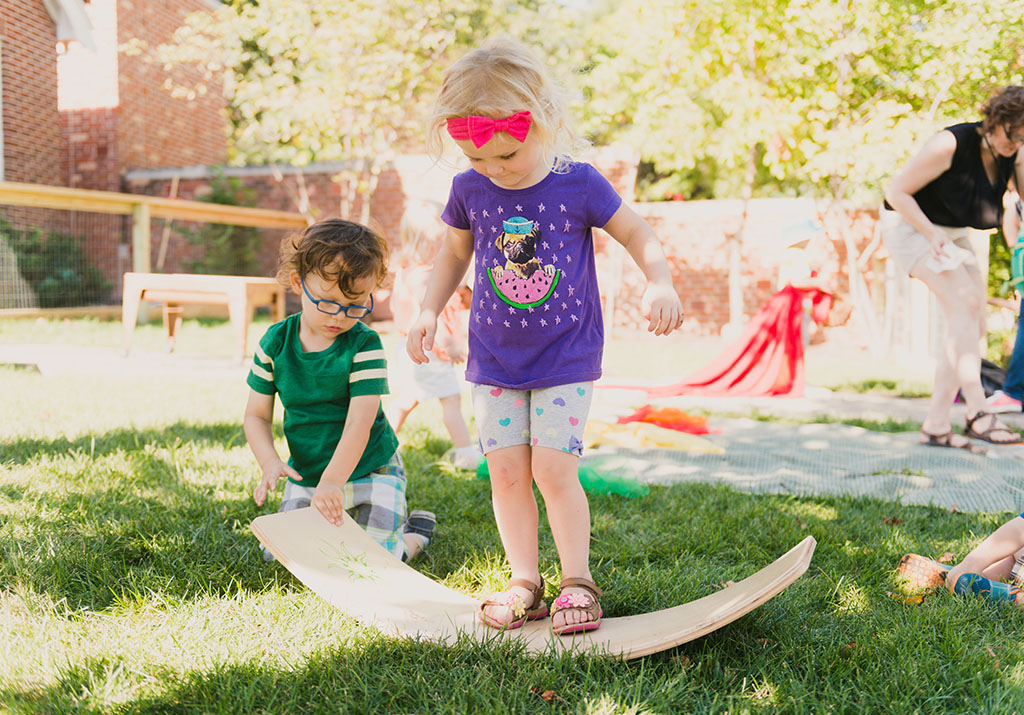
Smooth, arc-shaped wooden boards in various sizes — used for rocking, rolling balls, building ramps, and small world play. Nature Explore and similar companies make beautiful ones, but handmade versions work just as well.
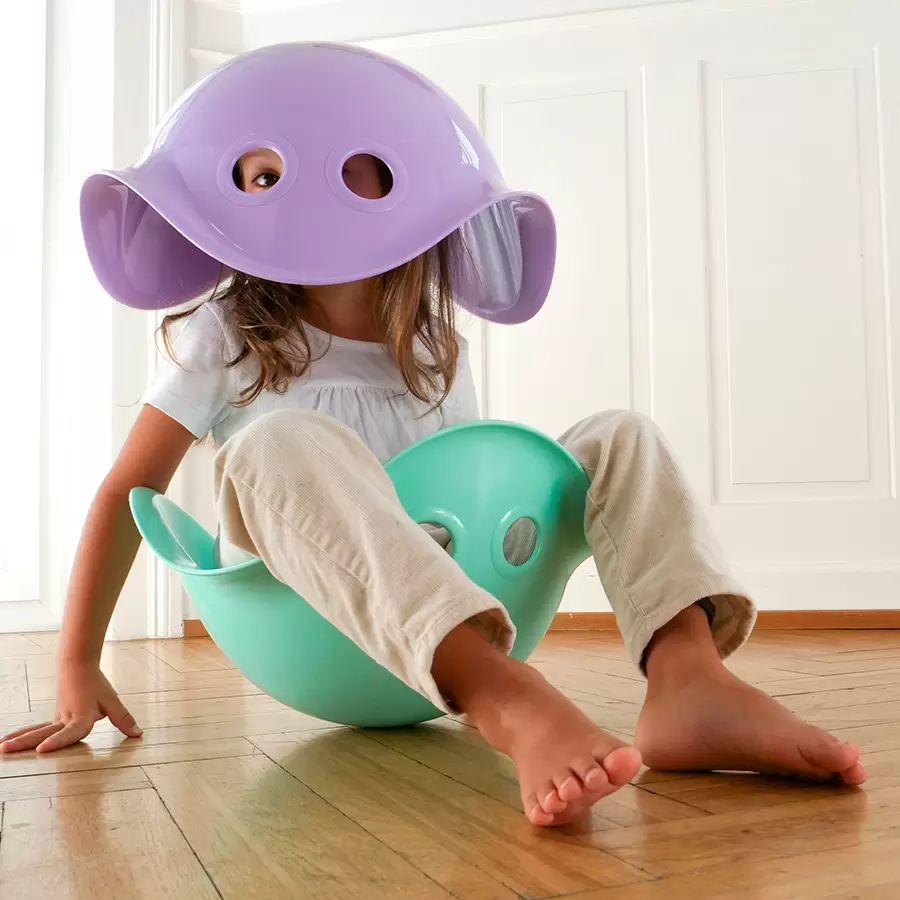
A sculptural, dome-shaped plastic seat with open sides — kids sit, spin, rock, and balance in them in endlessly creative ways. Extremely durable and often available secondhand; check toy resale groups.

Empty wooden frames in any size make beautiful borders for nature displays, seasonal tables, and loose parts arrangements. We're not hanging these on walls — we're laying them flat as trays, propping them as backdrops, and using them to give a collection of pinecones or feathers a little magic. Thrift stores almost always have a wall of these; grab a few in varied sizes - no glass included, please. 8x10" and larger tend to be most versatile for our purposes.

Essential tools for water play and budding scientists. Kids use these to transfer water, mix colors, and experiment with cause and effect — squeeze, release, repeat. Durable plastic is fine; just make sure the bulb is still pliable and the tip is intact. Often lurking in the kitchen section of any thrift store.
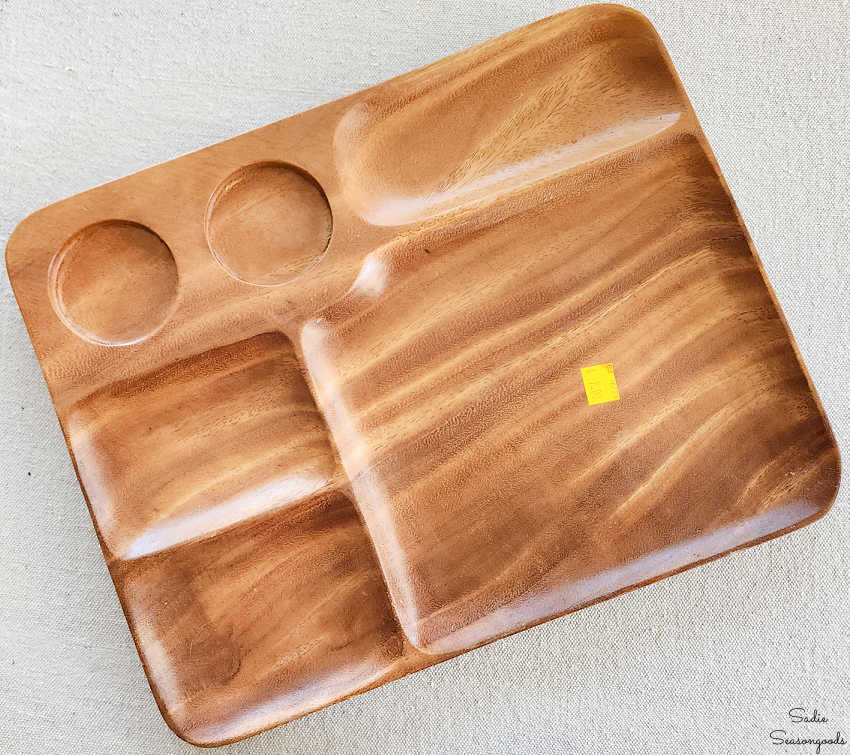
Flat wooden trays — serving trays, breakfast trays, decorative trays — are workhorses in a nature preschool classroom. We use them to contain loose parts, display nature collections, define a child's workspace, and transport materials outside. Any size, any finish. The more worn and loved-looking, the better.

We're looking for durable brushes in a range of sizes — from wide house-painting brushes (great for painting with water on rocks and fences) to smaller artist brushes for detail work. Natural bristle or synthetic both welcome. Sets and singles alike — just check that the bristles are still intact and the handle is sturdy. We'd love around 20 pieces total — any contribution welcome.
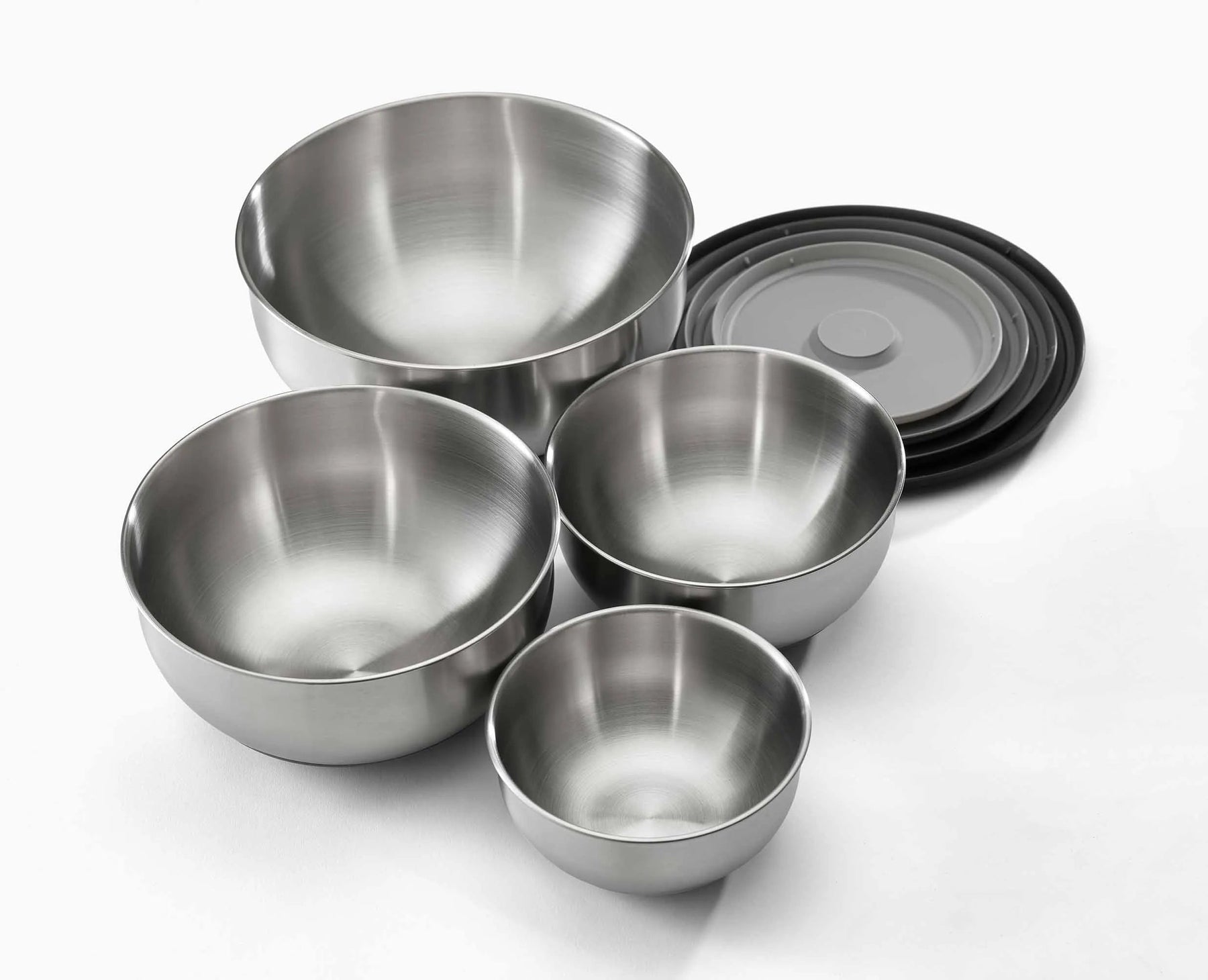
Graduated sets of bowls or cups that stack inside one another — wooden, metal, or sturdy plastic. Kids use these for pouring, measuring, sorting, and building. Mixing bowl sets from the kitchen section are perfect. Bonus if they're metal or wood.
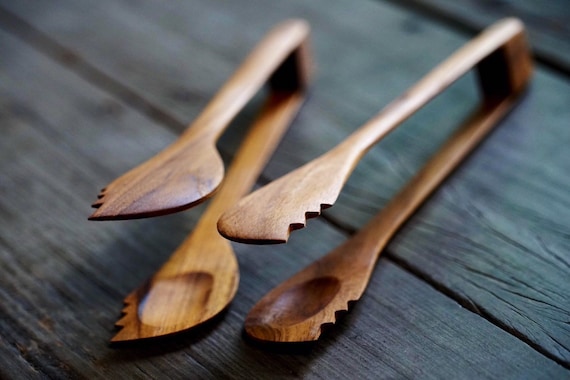
Tongs and wooden salad servers are fantastic tools for fine motor development — kids use them to sort, transfer, and manipulate loose parts with satisfying precision. Kitchen tongs in various sizes, wooden salad hands, and even serving spoons are all welcome. Thrift store kitchen bins are full of these.
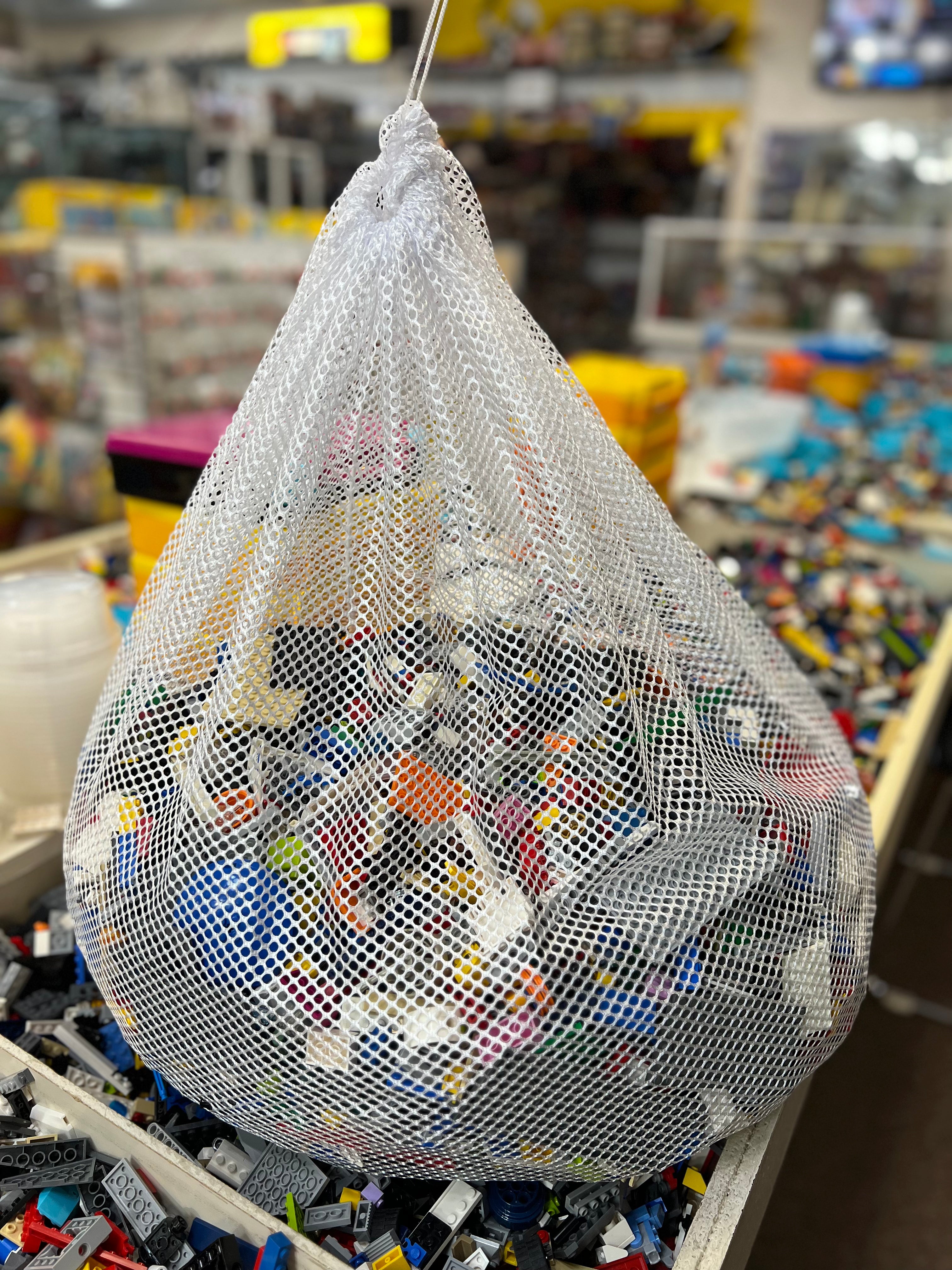
Zippered mesh bags are surprisingly handy in an outdoor classroom — we use them for collecting natural materials on walks, drip-drying wet gear, sorting loose parts, and keeping small items together during transport. Any size works; the kind sold for delicates in the laundry aisle are perfect. Often found in bundles at thrift stores for next to nothing.
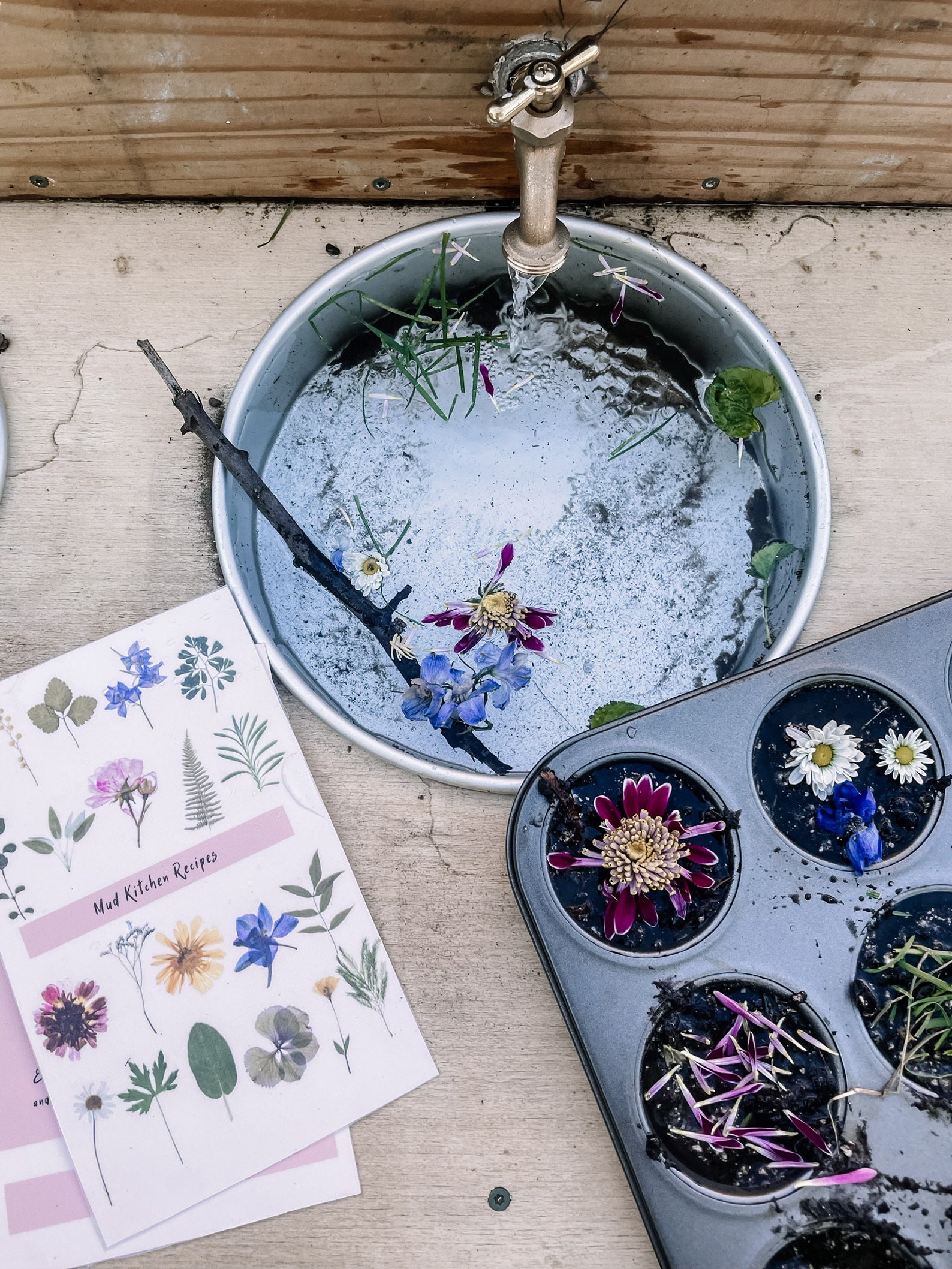
A muffin tin is one of the most versatile tools in a nature preschool. We use them for sorting seeds, rocks, and loose parts; mixing colors; serving pretend meals in the mud kitchen; and organizing small treasures from a nature walk. Ice cube trays work the same magic at a smaller scale. Metal muffin tins are especially welcome — sturdy, satisfying, and right at home outdoors. We'd love around 10 pieces total — any contribution welcome.

Arched, graduated wooden pieces in a spectrum of colors or natural wood that nest together into a rainbow or spread apart into a hundred different configurations — bridges, tunnels, cradles, enclosures, small world landscapes. Grimm's is the most recognized brand, but many beautiful versions exist. These are expensive new and show up secondhand in excellent condition; worth seeking out at toy swaps, resale apps, and upscale thrift stores.
Simple, smooth wooden figures in human form — from small peg dolls to chunkier turned figures with just enough detail to spark a story. Kids use these for small world play, family and community narratives, and loose parts arrangements. Plain or painted both welcome. Ostheimer makes beloved versions, but any solid, splinter-free wooden figure works beautifully. We'd love around 15 pieces total — any contribution welcome.

Detailed, hand-painted wooden animals for nature tables, small world play, and imaginative storytelling. We're especially drawn to native North American species — deer, bears, foxes, birds, bison, turtles — but any well-made animal is welcome. Ostheimer and Holztiger are some lovely brands, as our homemade creatures! We'd love around 12 pieces total — any contribution welcome.
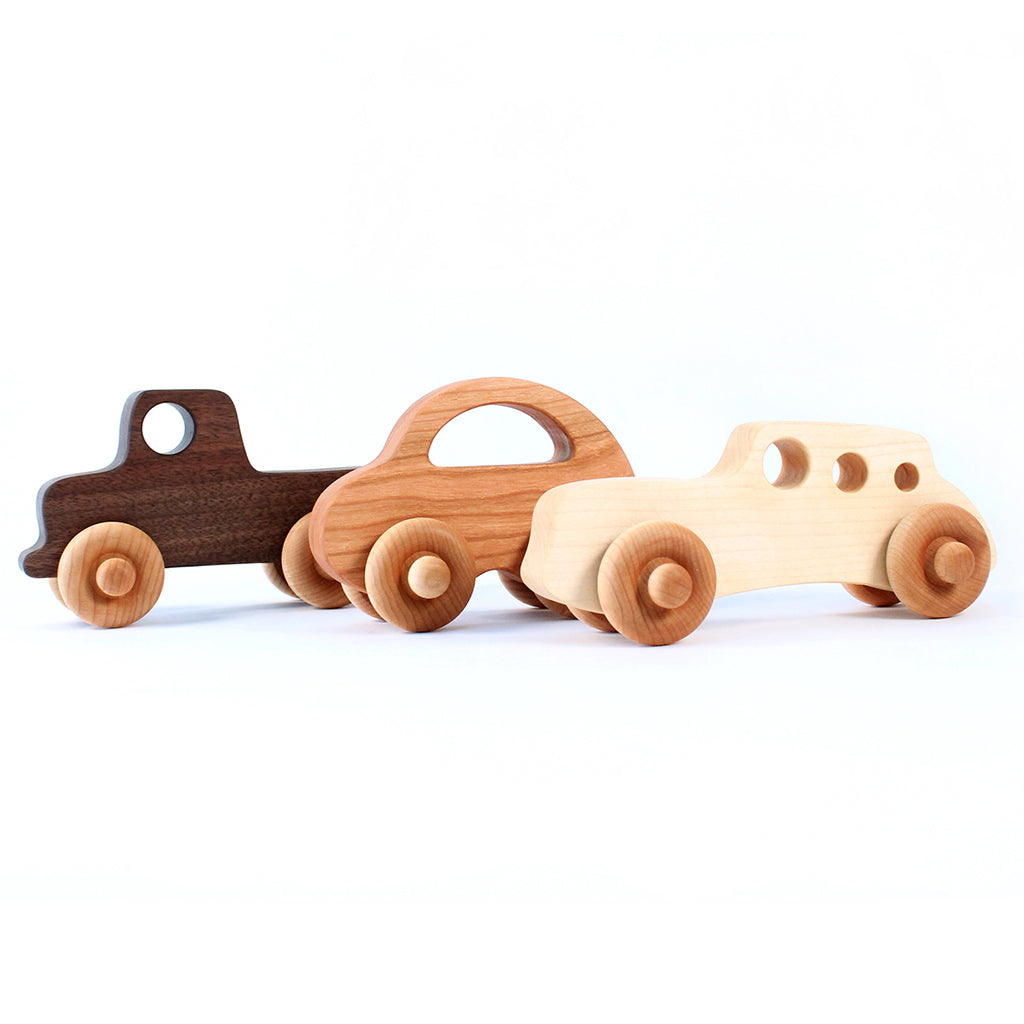
Solid wooden cars, trucks, boats, and trains — the kind built to survive years of hard play. We use these for ramp experiments, small world building, and pure joyful rolling. Any size or style welcome; just check that wheels still spin and no sharp edges have developed. A thrift store toy shelf staple. We'd love around 12 pieces total — any contribution welcome.

A flat board with evenly spaced holes and a set of colorful pegs that press into them — deceptively simple and endlessly engaging for pattern making, counting, and design. Great for fine motor development and quiet focused play. Often found in sets with rubber-tipped pegs; make sure the pegs are present and the board is intact.
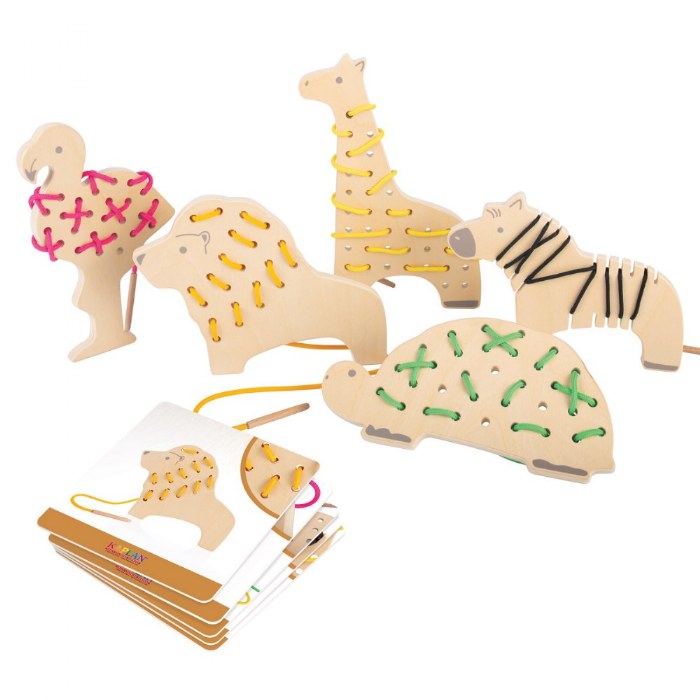
Wooden beads, shapes, or figures with holes through them, threaded onto a stiff lace or cord — a classic fine motor activity that also builds focus and sequencing skills. We welcome complete sets as well as extra laces on their own, since those have a way of disappearing. Look for laces with a stiff tip (like a shoelace) so kids can thread independently. We'd love around 5 pieces total — any contribution welcome.